Storage Optimization Strategies for Modern Data Growth
Storage Optimization

Introduction
Data has become one of the most valuable assets for modern enterprises, yet it also represents one of the fastest-growing operational expenses. Organizations are generating massive volumes of structured and unstructured data across cloud platforms, on-premises systems, IoT devices, and enterprise applications. Without a clear strategy for storage optimization, businesses risk escalating infrastructure costs, reduced performance, and limited analytics agility.
Enterprises today must look beyond simple capacity expansion and adopt intelligent data lifecycle management strategies. Effective storage optimization not only reduces operational expenses but also increases the strategic value of data. By aligning integration, governance, and analytics frameworks through platforms like Pentaho, organizations can transform storage from a cost center into a performance-driven asset.
The Business Imperative of Storage Optimization
As digital transformation accelerates, enterprises are required to store and process ever-growing datasets. Traditional storage expansion approaches often lead to data redundancy, underutilized resources, and unnecessary duplication. A proactive storage optimization strategy helps eliminate inefficiencies and ensures that data remains accessible, secure, and cost-effective.
Modern enterprises operate in hybrid environments where data flows between on-premises systems and cloud infrastructure. Without intelligent orchestration, storage costs can spiral quickly. Implementing storage optimization enables organizations to classify data based on usage patterns, archive inactive information, and prioritize high-value datasets for real-time analytics.
Pentaho’s data integration and orchestration capabilities support organizations in implementing dynamic data lifecycle management. Through automated workflows and metadata visibility, enterprises can strengthen storage optimization initiatives while maintaining compliance and performance standards.
Aligning Data Lifecycle Management and Storage Strategy
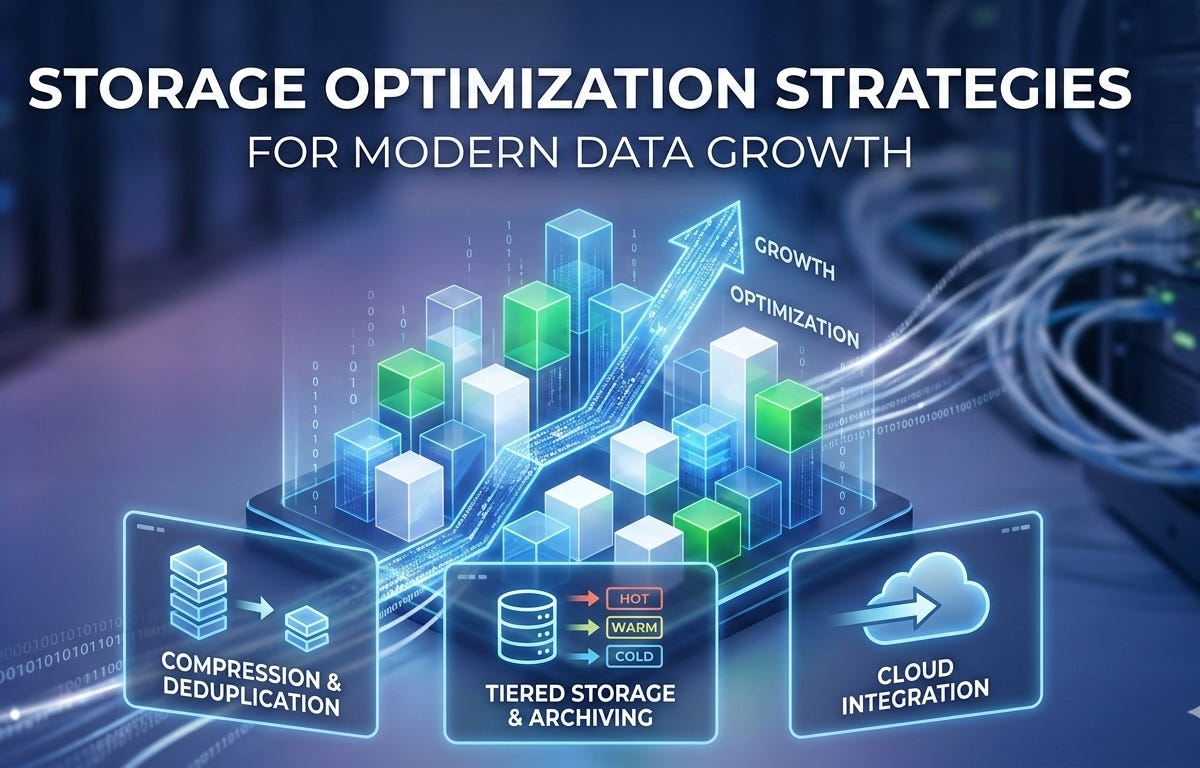
An effective data lifecycle management framework is fundamental to long-term storage optimization. Data does not maintain equal value throughout its lifespan. Frequently accessed operational data requires high-performance storage, while historical or archival information can be moved to lower-cost storage tiers.
By analyzing usage patterns and business relevance, enterprises can implement automated migration policies. This approach ensures that storage resources are allocated efficiently. Storage optimization strategies that incorporate intelligent data tiering significantly reduce infrastructure overhead while maintaining analytics capabilities.
Pentaho’s integration platform enables seamless movement of data between systems. Through automated orchestration and transformation processes, organizations can maintain data quality while executing storage optimization policies. This ensures that archived data remains searchable and compliant, even when moved to cost-effective storage environments.
Enhancing Performance and Analytics Efficiency
Storage decisions directly impact analytics performance. Poorly managed storage architectures can slow query processing, disrupt reporting systems, and limit real-time analytics capabilities. A structured storage optimization framework enhances system responsiveness and ensures reliable data access.
Optimized storage infrastructures reduce duplication, streamline indexing strategies, and improve data retrieval times. When enterprises integrate data management tools with analytics platforms, they can maintain consistent performance even as data volumes expand. Storage optimization also supports advanced analytics by ensuring that critical datasets are available for machine learning and predictive modeling initiatives.
Pentaho’s scalable data integration engine allows organizations to prepare, cleanse, and transform data before storage allocation. This reduces unnecessary storage of redundant or low-quality information. By embedding governance rules within transformation pipelines, enterprises reinforce storage optimization practices at every stage of the data lifecycle.
Reducing Costs While Preserving Data Value
Rising cloud storage expenses and on-premises infrastructure maintenance costs require enterprises to adopt cost-conscious strategies. Effective storage optimization focuses on reducing total cost of ownership without compromising business agility.
Organizations that implement compression techniques, deduplication processes, and automated archival workflows experience measurable cost savings. These methods ensure that only relevant and high-value data occupies premium storage tiers. Storage optimization also helps businesses forecast storage needs more accurately, avoiding sudden capacity expansions and unplanned expenditures.
Pentaho enables enterprises to integrate cost analysis metrics within their data management strategies. By aligning analytics insights with storage optimization objectives, decision-makers can identify underutilized storage segments and reallocate resources strategically. This balanced approach protects both performance and financial sustainability.
Strengthening Governance and Compliance
Data governance plays a crucial role in successful storage optimization. Regulatory frameworks require organizations to retain specific records for defined periods while securely disposing of obsolete data. Without a clear governance model, storage infrastructures can become cluttered with outdated or redundant information.
Integrating governance policies into data pipelines ensures that retention schedules and compliance requirements are automatically enforced. Storage optimization strategies that incorporate audit trails, metadata tracking, and policy-based automation minimize legal and operational risks.
Pentaho’s metadata management capabilities provide visibility into data lineage and transformation history. This transparency strengthens storage optimization efforts by ensuring that data remains traceable and compliant across storage tiers. Governance-driven storage policies also reduce manual oversight and increase operational consistency.
Supporting Hybrid and Multi Cloud Environments
Enterprises increasingly operate across hybrid and multi cloud infrastructures. This complexity demands flexible storage optimization strategies capable of adapting to diverse deployment models. Data may reside in public cloud environments, private data centers, or edge locations, each requiring tailored management approaches.
A unified integration framework simplifies orchestration across these environments. By leveraging automation and centralized control, organizations can execute storage optimization initiatives consistently regardless of infrastructure location. This ensures seamless data availability and reduces fragmentation.
Pentaho’s platform supports connectivity across heterogeneous systems, enabling secure and scalable data movement. Through intelligent workload distribution and automated lifecycle management, enterprises can strengthen storage optimization practices while maintaining operational resilience.
Building a Future Ready Storage Architecture
Future-ready enterprises recognize that data growth will continue to accelerate. Strategic planning is essential to maintain agility and competitiveness. A comprehensive storage optimization framework prepares organizations to handle expanding data volumes without sacrificing efficiency.
Scalable storage architectures incorporate predictive analytics to anticipate capacity requirements and performance trends. By embedding storage optimization within broader data strategy initiatives, enterprises can align infrastructure planning with business objectives. This proactive approach prevents bottlenecks and supports continuous innovation.
Pentaho’s integration and analytics capabilities empower organizations to create adaptive storage strategies that evolve alongside business needs. With automated workflows and data quality controls, enterprises can ensure that storage optimization remains an ongoing, dynamic process rather than a one-time initiative.
Conclusion
The exponential growth of enterprise data presents both opportunity and challenge. Organizations that fail to implement effective storage optimization risk escalating costs, declining performance, and limited analytics potential. By adopting intelligent lifecycle management, governance automation, and scalable integration frameworks, businesses can transform storage into a strategic advantage.
Pentaho provides the tools necessary to support advanced data orchestration, governance, and analytics integration. When aligned with a comprehensive storage optimization strategy, enterprises gain greater control over infrastructure costs while unlocking the full value of their data assets. In an era defined by information-driven decision-making, optimizing storage is no longer optional; it is essential for sustainable growth and long-term success.